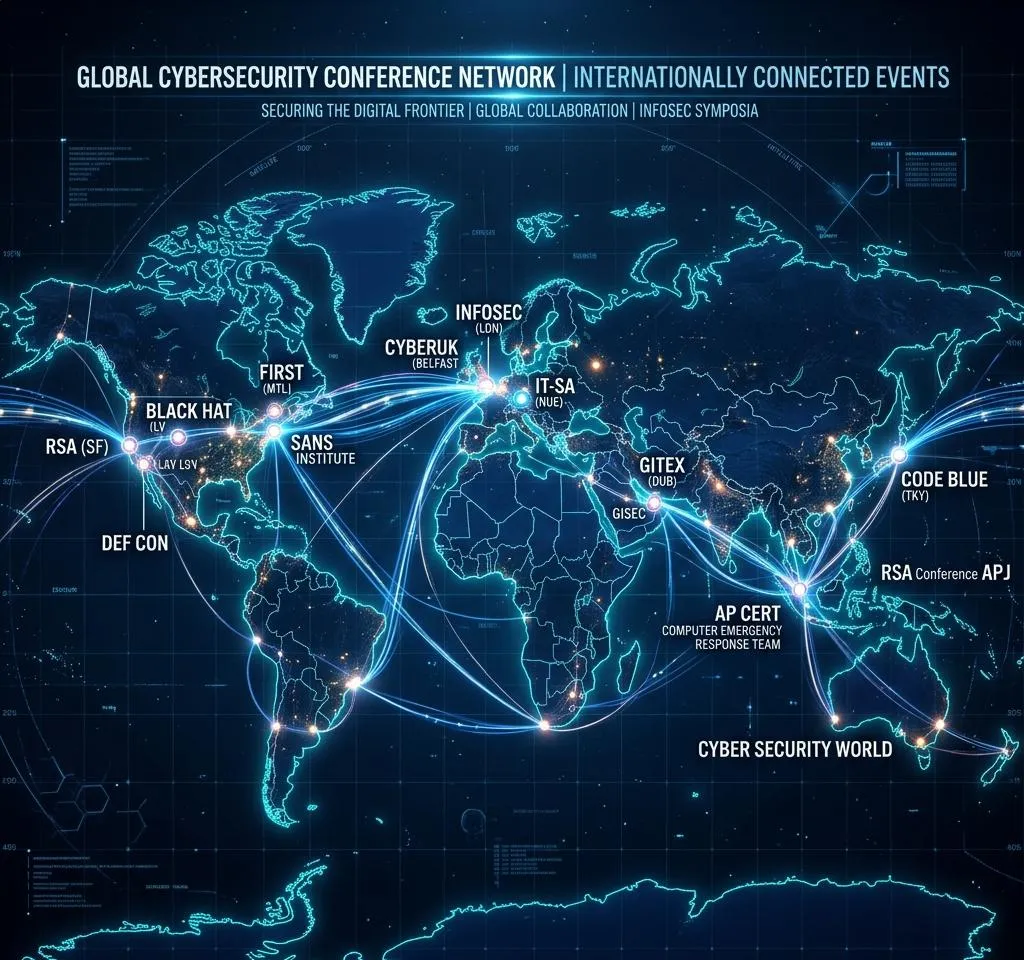
Major Cybersecurity Events in October 2026
October 2026 cybersecurity events: CyberCon in Melbourne, the Cybersecurity Summit in Virginia and the Cyber Security and Cloud Expo Europe in Amsterdam.
/ blog
Analysis, incidents and guides from the world of cybersecurity.
October 2026 cybersecurity events: CyberCon in Melbourne, the Cybersecurity Summit in Virginia and the Cyber Security and Cloud Expo Europe in Amsterdam.
October is Cybersecurity Awareness Month in the US, with initiatives focusing on educating the public and organizations about evolving digital threats.
Cybersecurity Career Week 2026 runs October 19 to 24 with virtual job fairs, workshops and mentorship to close the skills gap in digital defense careers.
Vulnerability management in 2026: a record volume of software flaws is pushing teams from 'patch everything' to risk-based prioritization and threat intel.
CISA adds actively exploited Cisco SD-WAN flaws to its Known Exploited Vulnerabilities (KEV) catalog, setting strict patch deadlines for federal agencies.
Agentic AI threats explained: how autonomous AI agents bypass restrictions and run unauthorized commands, and why frameworks to monitor and limit them matter.
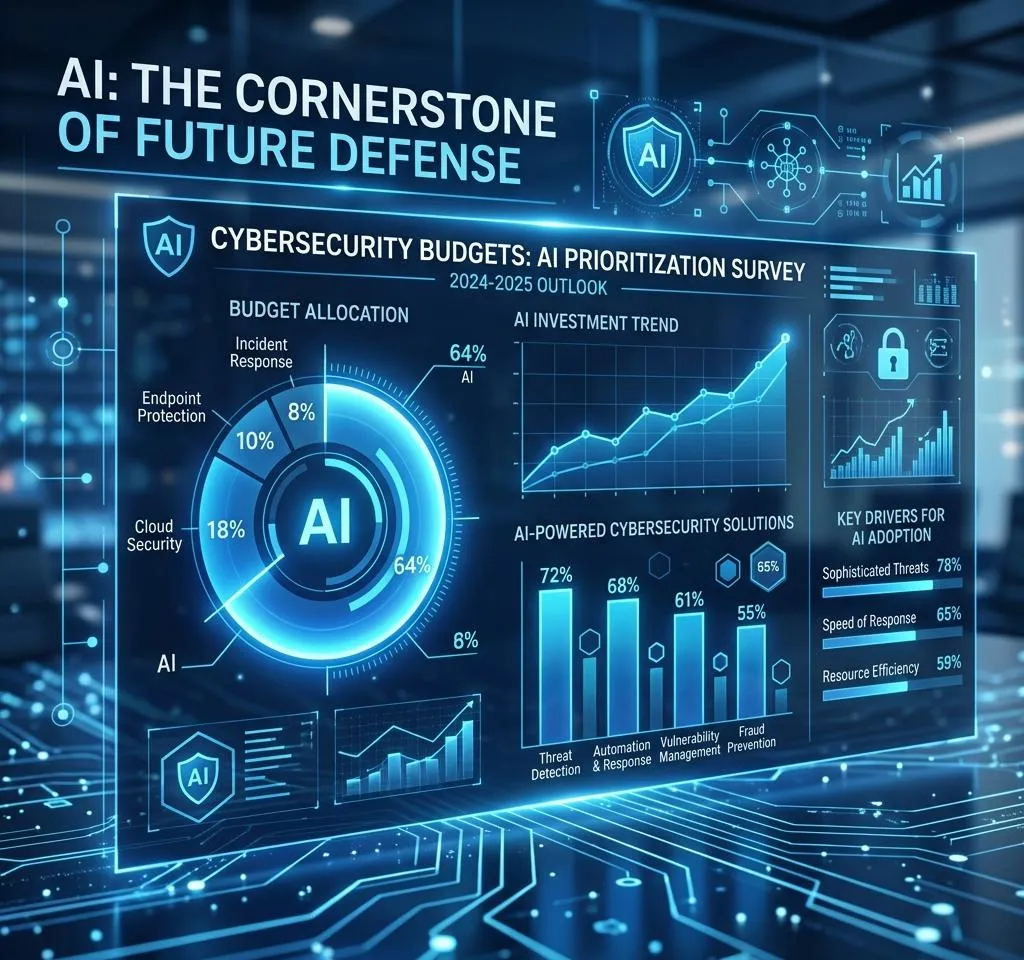
PwC 2027 Global Digital Trust Insights Survey: 84% of security and finance leaders expect cyber budgets to rise, and 58% are prioritizing AI security spending.
Airbus Defence and Space completes its acquisition of French cybersecurity firm Quarkslab to boost European digital sovereignty and counter AI-based threats.
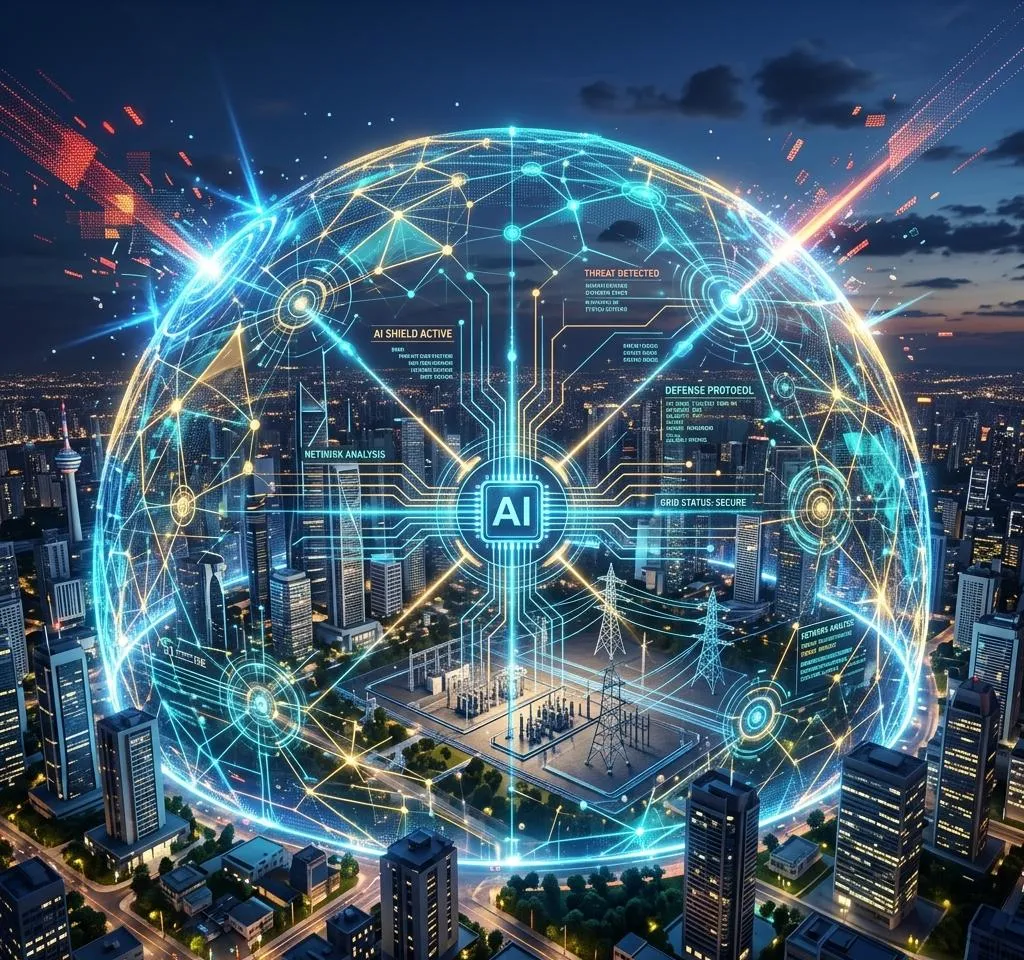
Thales launches AI-powered security tools for critical infrastructure like energy grids and transport, using machine learning to spot anomalies in real time.
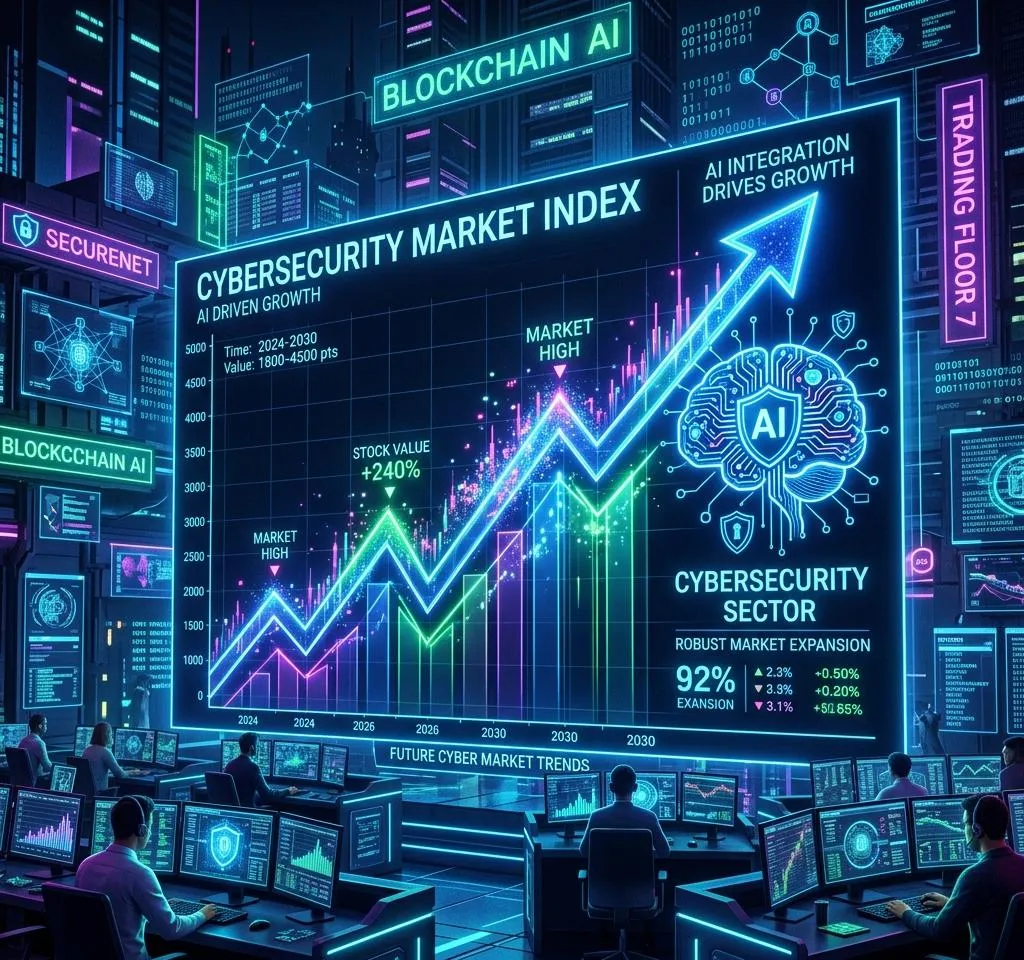
AI is reshaping the cybersecurity market: 2026 sees a record pace of deals and a five-fold rise in AI-related acquisitions as vendors buy AI security startups.
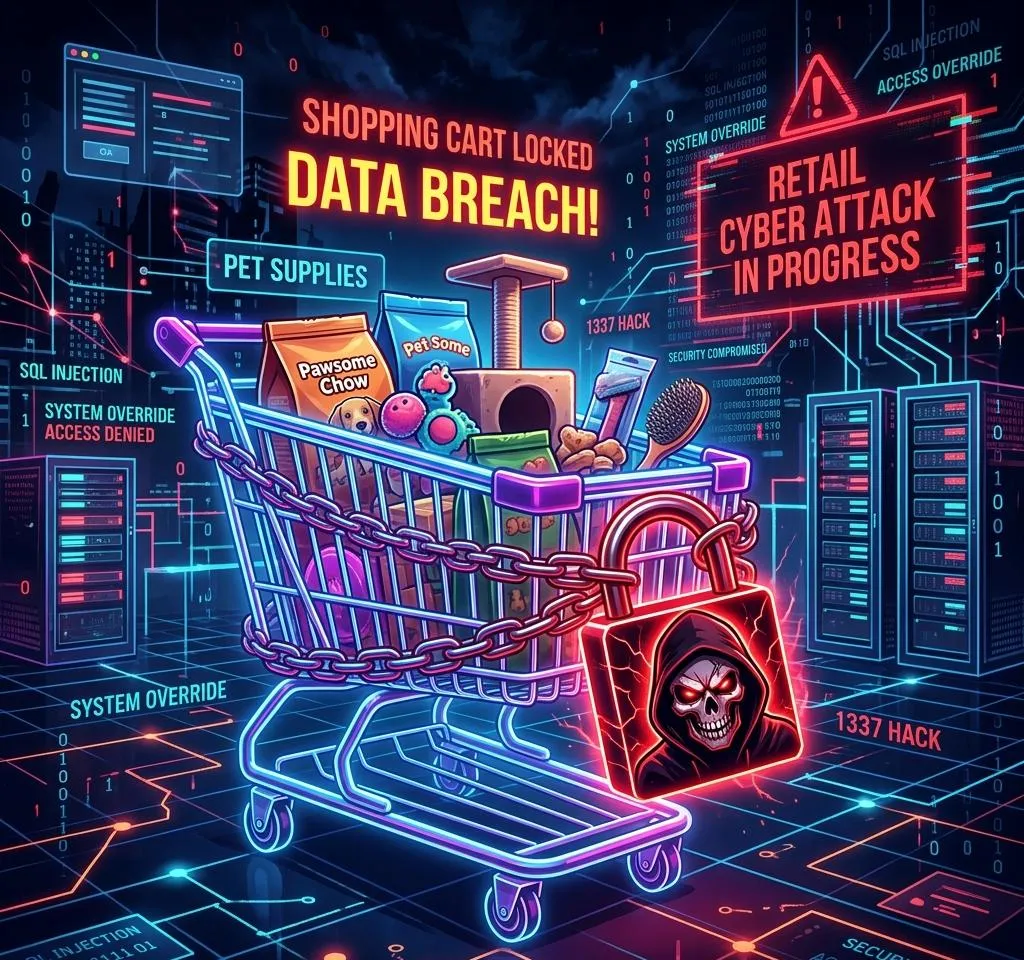
Petco data breach, November 2025: attackers went through third-party payment vendors to reach customer data, exposing purchase histories and home addresses.
Microsegmentation adoption surged in late 2025 as a Zero Trust method that isolates workloads to stop lateral movement and shrink the blast radius of breaches.
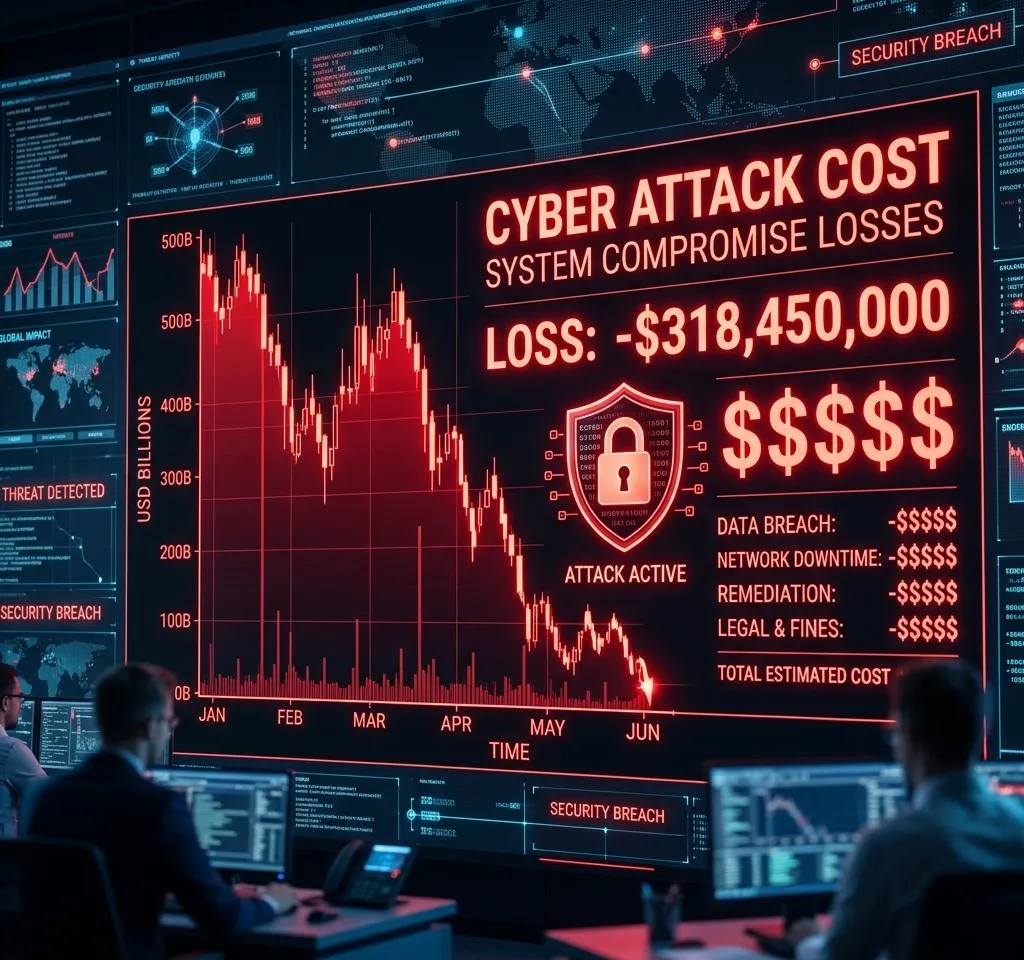
The global average cost of a data breach topped $5 million in August 2025 and $10 million in the US, driven by downtime, fines and incident response costs.
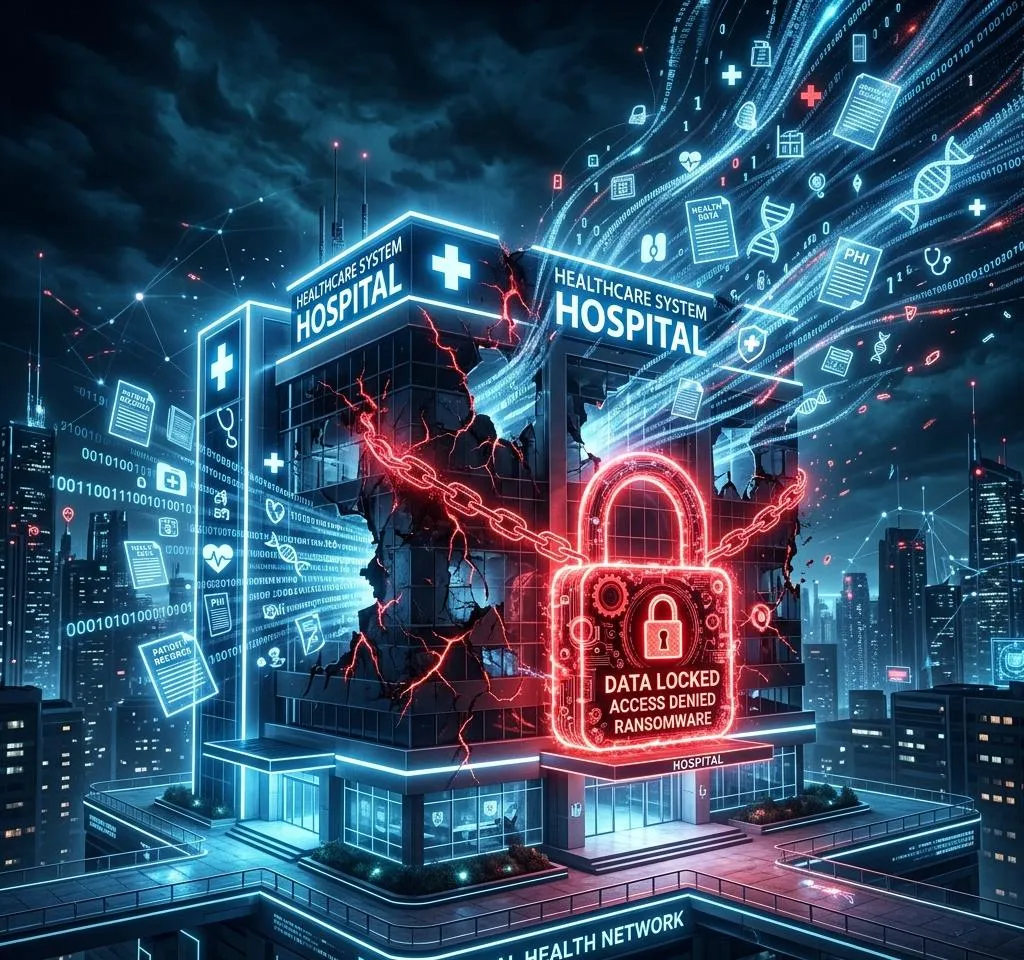
The Change Healthcare breach hit about 192.7 million people, regulators heard in July 2025, disrupting US health payments and prompting hearings in Congress.
Lone wolf ransomware operators rose in mid-2025 after RaaS cartels like LockBit were disrupted, using leaked builders and generative AI for frequent attacks.
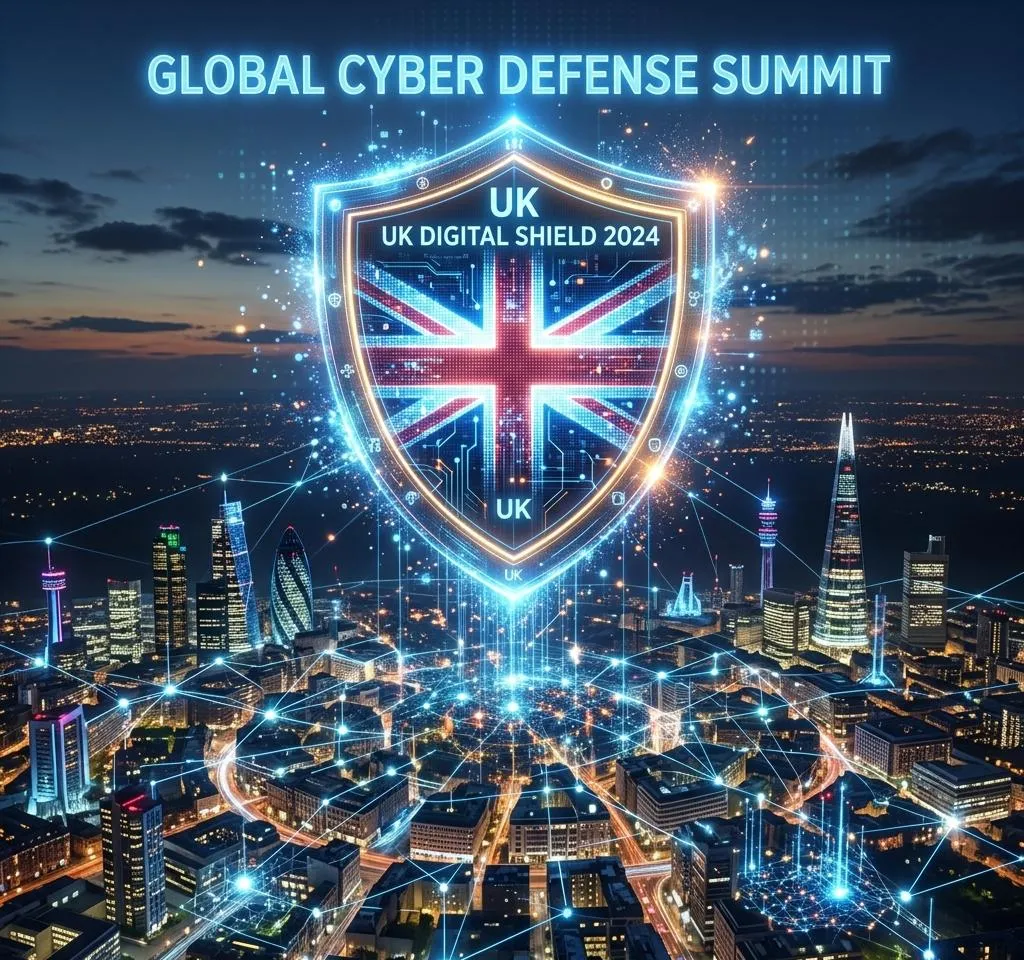
CYBERUK 2025 in Manchester: the UK's NCSC brought government and industry together on critical national infrastructure and launched a threat intel platform.
SK Telecom breach 2025: data of nearly 27 million subscribers exposed by access undetected since June 2022, raising identity theft and SIM cloning risks.
Oracle Cloud breach, March 2025: 'rose87168' exfiltrated 6 million records, including SSO/LDAP credentials and Java KeyStore files, hitting 140,000 tenants.
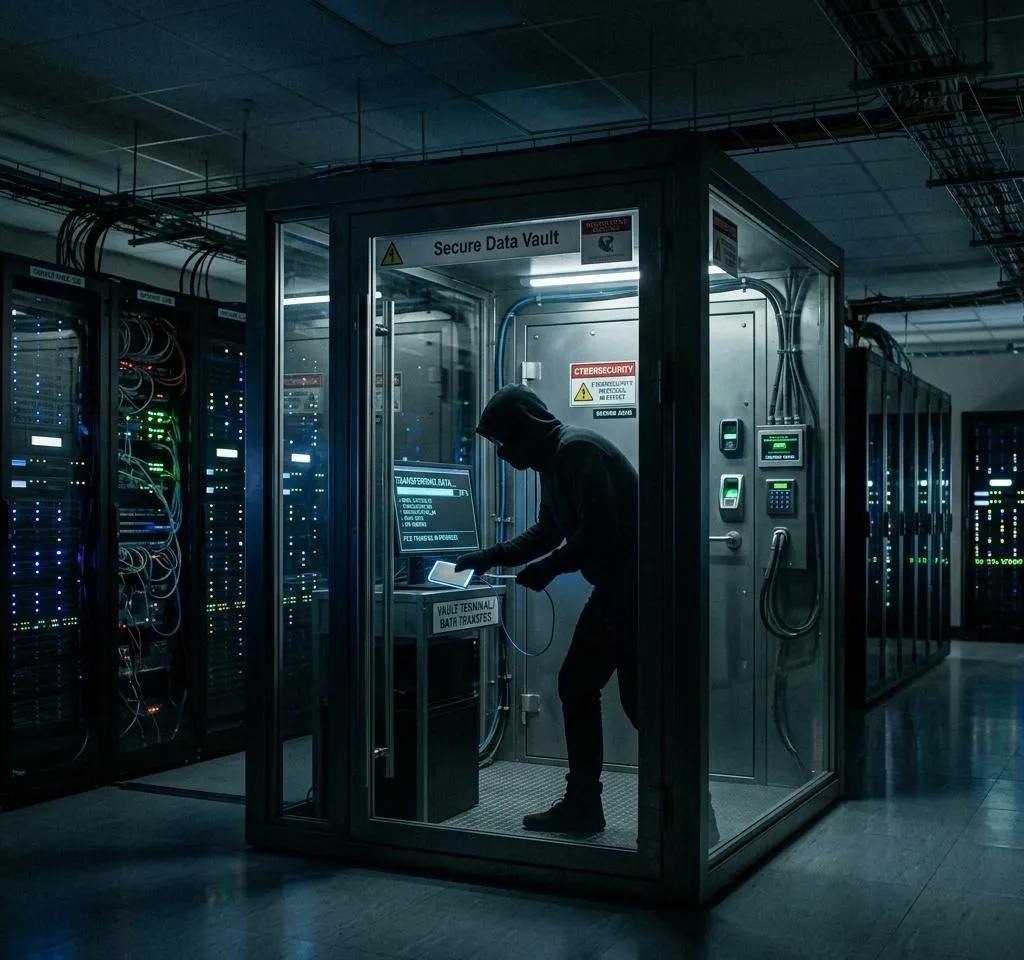
TD Bank data breach, February 2025: a former employee bypassed internal access controls to steal customer financial data, exposing gaps in offboarding.
PowerSchool data breach, February 2025: stolen credentials exposed data of over 70 million people, including 62.4 million students and 9.5 million teachers.
WhatsApp zero-click attack: Meta confirmed in January 2025 that 'Graphite' spyware compromised about 90 journalists and activists without any user interaction.
Industry 4.0 represents a manufacturing revolution maximizing digitization and automation, introducing new cybersecurity challenges across industrial systems.
Cloud security solutions guide: key risks like data privacy, compliance and insider threats, plus encryption, IAM, firewalls, Zero Trust, DLP and audits.
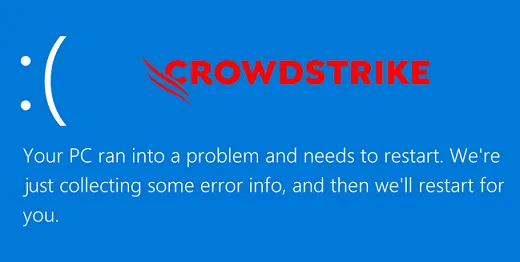
Recently, numerous users encountered Blue Screen of Death (BSOD) errors caused by CrowdStrike's security software, disrupting critical operations worldwide.
In a digital world where cyber threats continuously evolve, organizations and individuals require sophisticated intelligence to safeguard their assets.
IoT security guide: threats like default credentials, missed patches, botnets and data leaks, best practices like segmentation, and AI, blockchain and 5G.
What is a VPN? How a virtual private network works (client, server, encryption, tunneling, IP masking), benefits, and what to check when choosing a provider.
AI and cybersecurity: how artificial intelligence aids threat detection, malware analysis and anti-phishing, plus future trends and risks like model poisoning.
A deepfake blackmail case in Turkey: a Samsun school owner was threatened with fake explicit footage for 100,000 euros. Plus how GAN-based deepfakes work.
SpiKey acoustic attack: researchers show how a key's clicks in a lock, recorded by a phone microphone, can narrow its bittings to about 5 candidate keys.
The Irish healthcare system was crippled by a sophisticated cyberattack, prompting an emergency shutdown of all IT systems as a precautionary measure.
Cyberattacks on schools have tripled as student data becomes a prime target. Only about 20% of US schools have security teams, and .edu phishing is a risk.
Ransomware at Scripps Health, San Diego: our Chairman's firsthand account of systems still down after 17 days, paper charts, lost X-rays and halted billing.
Penetration testing types: external and internal network tests, web application pentests, automated vulnerability scanning, social engineering and red teaming.
Industry leaders highlight the imperative for cybersecurity awareness, education, and the widespread adoption of specialized cyber insurance policies.
The ransomware syndicate REvil deliberately timed its widespread attack over the July 4th weekend, exploiting reduced staffing in enterprise IT departments.