
Industry 4.0 and Cybersecurity
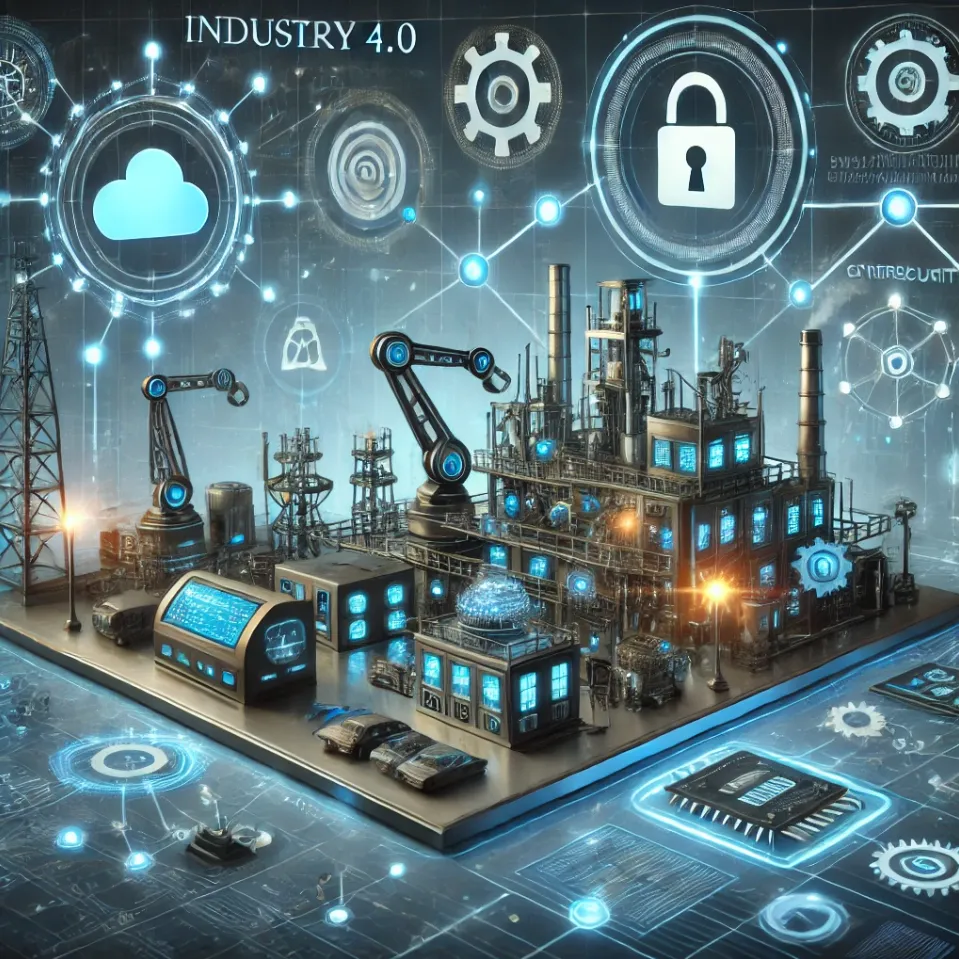
INDUSTRY 4.0 AND CYBERSECURITY
Industry 4.0 represents a transformative revolution that pushes digitization and automation in production environments to the highest level. Technologies such as the IoT (Internet of Things), artificial intelligence, big data, and cloud computing have catalyzed fundamental changes in the industrial manufacturing sector, while simultaneously introducing new cybersecurity risks.
What is Industry 4.0?
Industry 4.0 refers to the deep integration of digital technologies into manufacturing workflows to enable autonomous processes. It converges the physical manufacturing floor with digital computation. Smart factories, digital twins, autonomous robots, and cyber-physical systems (CPS) form the core pillars of Industry 4.0.
Industry 4.0 and Cybersecurity Risks
While Industry 4.0 delivers tremendous efficiency gains, it also creates new cybersecurity attack surfaces. As industrial processes become fully connected and digitalized, they become increasingly vulnerable to cyberattacks. Key cybersecurity risks associated with Industry 4.0 include:
1. Vulnerability of Cyber-Physical Systems
Cyber-physical systems, central to Industry 4.0, operate across both digital and physical domains. A cyber compromise in these systems can translate directly into physical destruction, production stoppages, and worker safety risks.
2. Security of IoT and OT Devices
Connected IoT and OT devices drive operational efficiency but drastically expand the attack surface. Inadequately secured IoT sensors and actuators become enticing targets for malicious actors. For more details on this topic, check out our dedicated article.
3. Data Theft and Industrial Espionage
Big data analytics in Industry 4.0 gathers vast volumes of proprietary operational and design data. While used to optimize output, this telemetry is a high-value target for threat actors. Data theft and industrial espionage can eradicate an enterprise’s competitive advantage.
4. Network and Perimeter Exposure
Industrial equipment deployed in Industry 4.0 environments is frequently connected to enterprise networks and the internet. This connectivity creates pathways for network breaches, lateral movement, ransomware attacks, and DDoS disruptions that can halt assembly lines.
Cybersecurity Safeguards
1. Firewalls and Network Monitoring
Enterprises must deploy robust industrial firewalls and network traffic monitoring (NDR). These systems inspect OT/IT network traffic continuously to identify abnormal behavior and halt malicious activity.
2. IoT Device Hardening
IoT and connected devices must be secured with robust encryption protocols and strict access controls. Furthermore, routine firmware updates and proactive patch management are essential.
3. Employee Security Training
Personnel across operations and management should receive ongoing security awareness training. Defenses against social engineering and phishing must be emphasized.
4. End-to-End Data Encryption
Strong cryptographic algorithms should protect sensitive industrial data both in transit and at rest, minimizing the impact of potential interception or breaches.
5. Continuous Security Assessments
Organizations should regularly assess the security posture of their operational environments through penetration testing and vulnerability assessments. For more information regarding penetration testing, feel free to contact us.