Cyberattacks Targeting Schools Surge Threefold
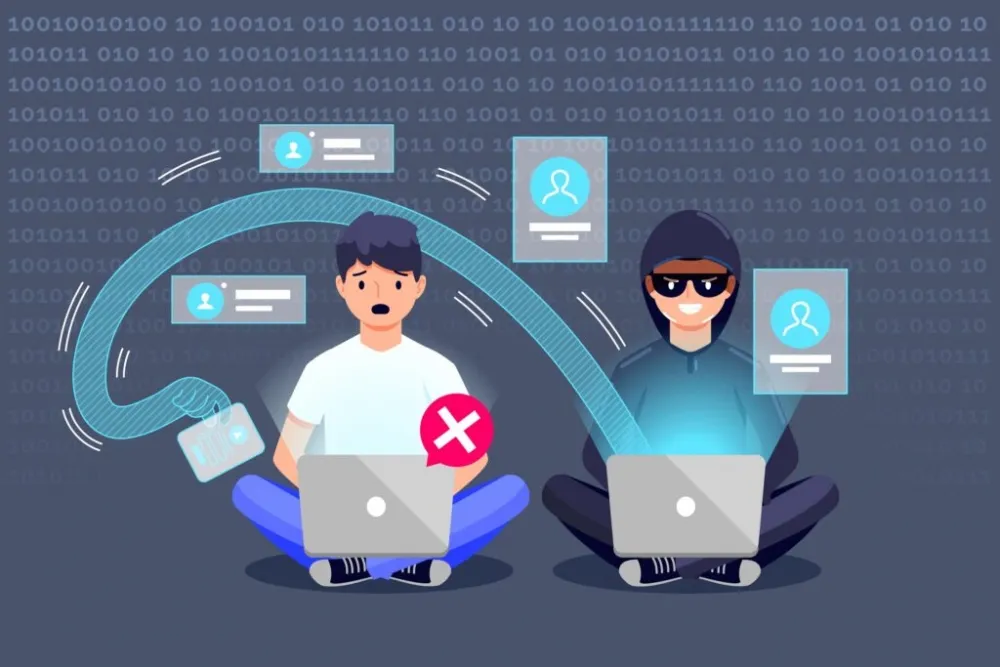
Hackers are no longer focusing solely on financial data or corporate trade secrets; students’ personally identifiable information (PII) has emerged as a high-value target. Pointing out that cyberattacks targeting educational institutions have surged threefold, cybersecurity experts warn about the vulnerability of personal records amidst the widespread shift to online learning platforms.
There are targets prized beyond extorting ransoms from compromised financial firms. With education systems rapidly digitizing, datasets belonging to students, parents, and educators have become enticing prey for cybercriminals. Emphasizing that many academic institutions globally lack robust cybersecurity safeguards, industry experts underscore the urgent need for educational entities to implement comprehensive defensive measures.
Threat Actors Set Their Sights on Educational Databases
Compared to a decade ago, cyber threat techniques have evolved dramatically, directly imperiling the education sector along with other critical industries. The lucrative black-market value of personal data compared to traditional targets has led threat actors to increasingly focus on school networks. With cyber incidents against educational institutions in the United States tripling, security analysts warn that student PII remains severely exposed while existing safeguards fail to deter determined attackers.
Only Around 20% of Schools Maintain Dedicated Security Staff
Even in the United States—one of the largest investors in cybersecurity infrastructure—only roughly 20% of schools employ dedicated in-house cybersecurity teams. This shortage leaves institutional perimeters under-defended and simplifies reconnaissance for threat actors. Analysts stress that student and personnel records stored across academic platforms remain persistently vulnerable. Failing to implement adequate technical controls and governance leads directly to data breaches, opening doors to identity theft and extortion. Educational organizations must prioritize both administrative policies and technical security controls to safeguard virtual learning environments.
Beware of Phishing Attacks Originating from .edu Domains
Email remains the predominant vector for launching sophisticated phishing campaigns. Messages appearing to originate from trusted academic sources drastically increase click-through rates. In particular, threat actors frequently compromise legitimate .edu email accounts or spoof academic addresses to bypass spam filters. Faculty, administrative staff, and parents are advised to exercise caution and avoid clicking unverified links. Because users inherently trust academic domains, heightened vigilance and robust defenses against social engineering are imperative across the educational sector.